
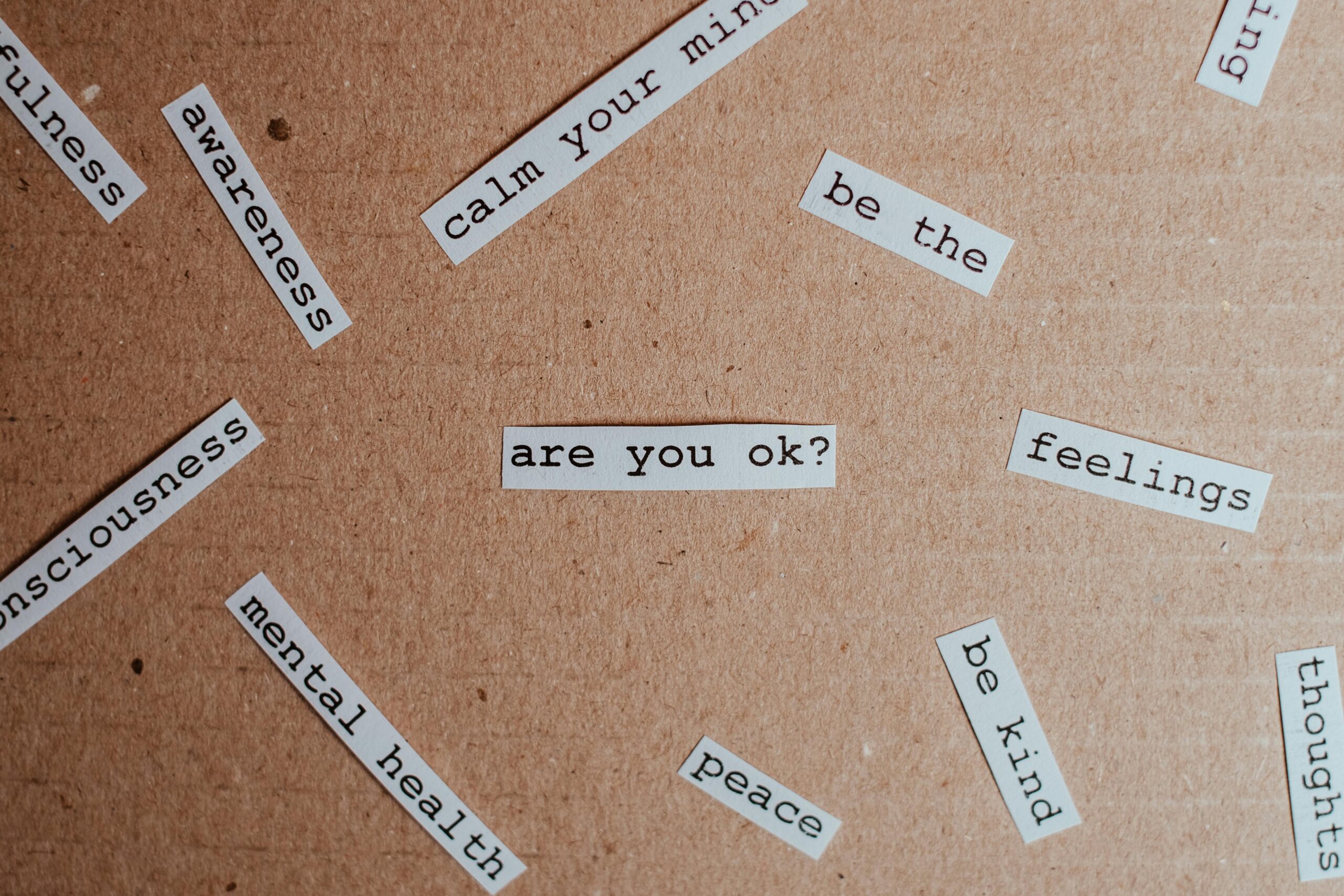
Dialectical Behavior Therapy (DBT) is an effective treatment for those struggling with emotional regulation, risky and impulsive behaviors, and interpersonal difficulties. Originally developed by Dr. Marsha Linehan to treat borderline personality disorder, DBT has since been adapted to treat a wide range of conditions, including depression, anxiety, and eating disorders. For teenagers, in particular, DBT can offer essential tools to manage intense emotions, reduce harmful behaviors, and improve relationships with family and peers.
At Cincinnati Center for DBT, comprehensive DBT treatment is a treatment offered to teens and their caregivers. If you’re considering DBT for your teen, it’s essential to understand what the treatment entails, what benefits it can offer, and what challenges might arise. Let’s do a deep dive into DBT for teens, addressing common questions and concerns.
Do You Offer Comprehensive DBT for Teens and Families?
Yes, the Cincinnati Center for DBT provides comprehensive DBT specifically tailored to teens and their families. This comprehensive treatment involves the key components designed to help both the teen and their caregiver navigate the difficulties of mental health struggles. DBT for teens includes:

- Individual Therapy: Teens work with a trained DBT therapist on a one-on-one basis. This therapy focuses on addressing the individual’s personal struggles, such as emotional dysregulation, self-harm, suicidal thoughts, and difficulties in relationships, among many other treatment topics. The therapist helps the teen learn and practice DBT skills while exploring the core issues they’re facing.
- Skills Training: In a group setting, the teen and their caregiver learn DBT skills that help them manage their emotions and improve their behaviors. The core modules of DBT skills training include mindfulness, distress tolerance, emotion regulation, interpersonal effectiveness, and walking the middle path. These skills help teens understand their emotions, tolerate distress without acting on impulses, and build healthier relationships with peers, family members, and others.
- Phone Coaching: One of the unique aspects of DBT is its availability outside of therapy sessions. Teens can contact their individual therapist via phone for real-time coaching when they’re facing challenging situations or emotional distress, helping them apply DBT skills immediately in everyday life.
- Consultation team: Each DBT therapist at CCDBT attends a weekly consultation team meeting. In this meeting, your teen’s individual therapist is able to consult with other DBT-trained providers to receive consultation and to ensure treatment is being delivered adherently.
Overall, the goal of the Cincinnati Center for DBT is to provide a holistic, supportive environment where both teens and their families can learn valuable tools to improve emotional well-being, communication, and overall functioning.
Is DBT Good for Kids?
DBT is highly effective for teens, even though it was originally developed for adults. Adolescence is a time of intense emotional change and development, and teens often struggle to cope with these emotions in a healthy way. For many teens, DBT can provide a structured, effective approach to managing intense feelings, improving interpersonal relationships, and reducing harmful behaviors like self-harm or suicidal ideation.
DBT is particularly effective for teens dealing with:
- Self-harm behaviors (cutting, burning, etc.)
- Suicidal thoughts or tendencies
- Difficulty managing intense emotions (anger, sadness, anxiety)
- Family or peer relationship struggles
- Mood disorders (such as depression or anxiety)
- Substance abuse
- Eating disorders
The structured nature of DBT and its focus on skill-building, especially in the areas of emotion regulation and distress tolerance, make it particularly suitable for teens who are still developing their coping mechanisms. Moreover, DBT’s emphasis on mindfulness and validation can help teens feel understood, which is crucial for them to remain engaged in the therapy process.
What Are the Negatives of DBT?
While DBT is a highly effective treatment for many, it’s important to be aware of its limitations and potential challenges. Here are some of the negatives or potential drawbacks of DBT:
- Time-Intensive: DBT is an intensive therapeutic process. Teens and their caregivers make a commitment to treatment for a total of 24 weeks. Treatment typically involves multiple hours of therapy per week, including individual therapy (typically 1 hour each week), group skills training (two hours each week), and phone coaching. For teens and their families, this commitment can be overwhelming, especially if they have other obligations like school, extracurricular activities, or family responsibilities. Therefore, discussion with the teen’s therapist about other commitments is important. However, problem-solving the conflicts is possible!
- Requires Active Participation: DBT requires active engagement from the individual. It’s not just about attending sessions but also about practicing skills outside of therapy. Teens who are not motivated to engage with the process may not experience the full benefits of DBT. Therefore, building and maintaining commitment to practice is a focus of individual therapy sessions. The teen’s therapists assist the teen in identifying how completing homework will help them reach their goals.
- Emotional Intensity:
The focus on emotion regulation and distress tolerance can sometimes bring up difficult emotions and memories. While this is part of the healing process, it can be uncomfortable for both the teen and their family. Some teens may struggle with this emotional intensity, and family members may feel frustrated if they don’t immediately see progress. - Not a Quick Fix: DBT is a long-term treatment that requires dedication and time. Results are typically gradual, and it may take several months before noticeable improvements are seen. For some families, this can feel discouraging if they’re hoping for quick results. This does not mean important behavioral and emotional changes are not happening! Improvements happen one step at a time!
- Financial investment: DBT can be costly due to the frequency of sessions. CCDBT offers high-quality treatment as staff are trained to deliver the treatment as it was designed to be done. This leads us to the next question…
How Long Does DBT Typically Last?
DBT is not a short-term solution. The treatment is designed to be comprehensive and long-term, typically lasting anywhere from 6 months to a year or more. The duration depends on the severity of the teen’s issues, their progress in therapy, and their willingness to engage with the treatment process.
Teens may not complete DBT in a set amount of time, as progress can vary widely from one individual to another.
Can You Get Kicked Out of DBT?
While DBT is designed to be a supportive and non-judgmental process, it’s also based on principles of commitment and accountability. This ultimately means, if a teen engages in the treatment and is willing to continue making effective changes in their life, they will not get kicked out of treatment. However, DBT does have what is called ‘the 4 miss rule.’ This rule states that if a teen does not attend either individual therapy or skills training for 4 consecutive sessions, they will no longer be considered a comprehensive DBT client. This does not necessarily mean they are no longer allowed to meet with their individual therapist. Decisions such as that are made on a case-by-case basis depending on the client’s level of commitment and severity of mental health concerns.
It’s important to note that getting “kicked out” of DBT doesn’t necessarily mean the teen is being punished. Rather, it’s often a result of not engaging with the treatment in a way that’s conducive to healing. DBT emphasizes commitment to the process, and if a teen isn’t ready to commit or is engaging in behaviors that undermine their own progress, the therapist may suggest alternative treatments or interventions.
What is the Failure Rate for DBT?
Research has repeatedly shown that DBT can significantly reduce self-destructive behaviors, including suicide attempts, hospitalizations, and self-harm, while improving emotional regulation and interpersonal functioning.

However, DBT is not a miracle cure. Its success depends largely on the teen’s commitment to the process, the quality of the therapeutic relationship, and the family’s involvement in supporting treatment. Some teens may not respond as well to DBT for a number of reasons. Assessing the teen’s commitment level, hesitations towards treatment, and other potential barriers to success are discussed during the pretreatment phase of treatment.
Other treatments, depending on the teen’s presenting concerns (e.g., severity of substance use, eating disorder concerns, trauma history), may need to be considered and included in the teen’s treatment in order to be as successful as possible.
Why is DBT for Teens So Expensive?
DBT, especially in a comprehensive program like the one offered at the Cincinnati Center for DBT, tends to be expensive for several reasons:
- Highly Specialized Training: DBT therapists undergo rigorous and specialized training. They are required to attend advanced certification programs and receive supervision to ensure that they’re adhering to the evidence-based principles of DBT. The cost of this specialized training is reflected in the fees charged by the center.
- Time-Intensive Treatment: As mentioned earlier, DBT is a time-intensive treatment. Teens receive individual therapy, group skills training, and phone coaching, all of which require significant time from skilled professionals. This amount of time dedicated to each client increases the overall cost.
- Long-Term Commitment: DBT is a long-term commitment, lasting 6 months to a year or more, which increases the cost of treatment. However, for many teens, this investment leads to significant improvements in emotional regulation, behavior, and overall well-being, making the cost worthwhile in the long run.
Despite the expense, many families find that DBT offers significant value given its ability to reduce the need for more intensive and costly interventions (like inpatient hospitalization or emergency interventions) over time.
Can You Learn DBT Skills on Your Own?
While it’s possible to learn DBT skills through self-help books, apps, or online courses, the best results come from engaging in a structured DBT program with the guidance of trained therapists. Learning DBT skills on your own may offer some benefits, but the real impact of DBT comes from the comprehensive approach, which includes individual therapy, group skills training, and support from a therapist to apply the skills in real-time situations (i.e., phone coaching). Having a therapist who can offer guidance, hold accountability, and offer real-time coaching and support can significantly increase the likelihood of success.
Summary
DBT is a highly effective treatment for teens struggling with emotional dysregulation, self-destructive behaviors, and relationship difficulties. At CCDBT, teens and their families can expect a comprehensive, structured approach that includes individual therapy, skills training, family therapy, and phone coaching. All these offered services are adherent to the model as developed by Marsha Linehan. While DBT requires time, commitment, and active participation, it offers long-term benefits that can significantly improve emotional well-being, behavior, and relationships.
If you’re considering DBT for your teen, be prepared for an investment of time and resources, but rest assured that DBT can be a powerful tool in helping your teen navigate life’s challenges and build a brighter future!
About the Author
Desirae Allen (she/her), Psy.D., is a licensed clinical psychologist that specializes in dialectical behavior therapy. Desirae works with teens and adults, creating a compassionate and judgement-free space, where clients can find wellness and recovery. Desirae believes that DBT can make a long-term difference in people’s lives, and she strives to work collaboratively with her clients to provide adherent DBT. Click Here to learn more about Desirae’s experience and therapeutic style.