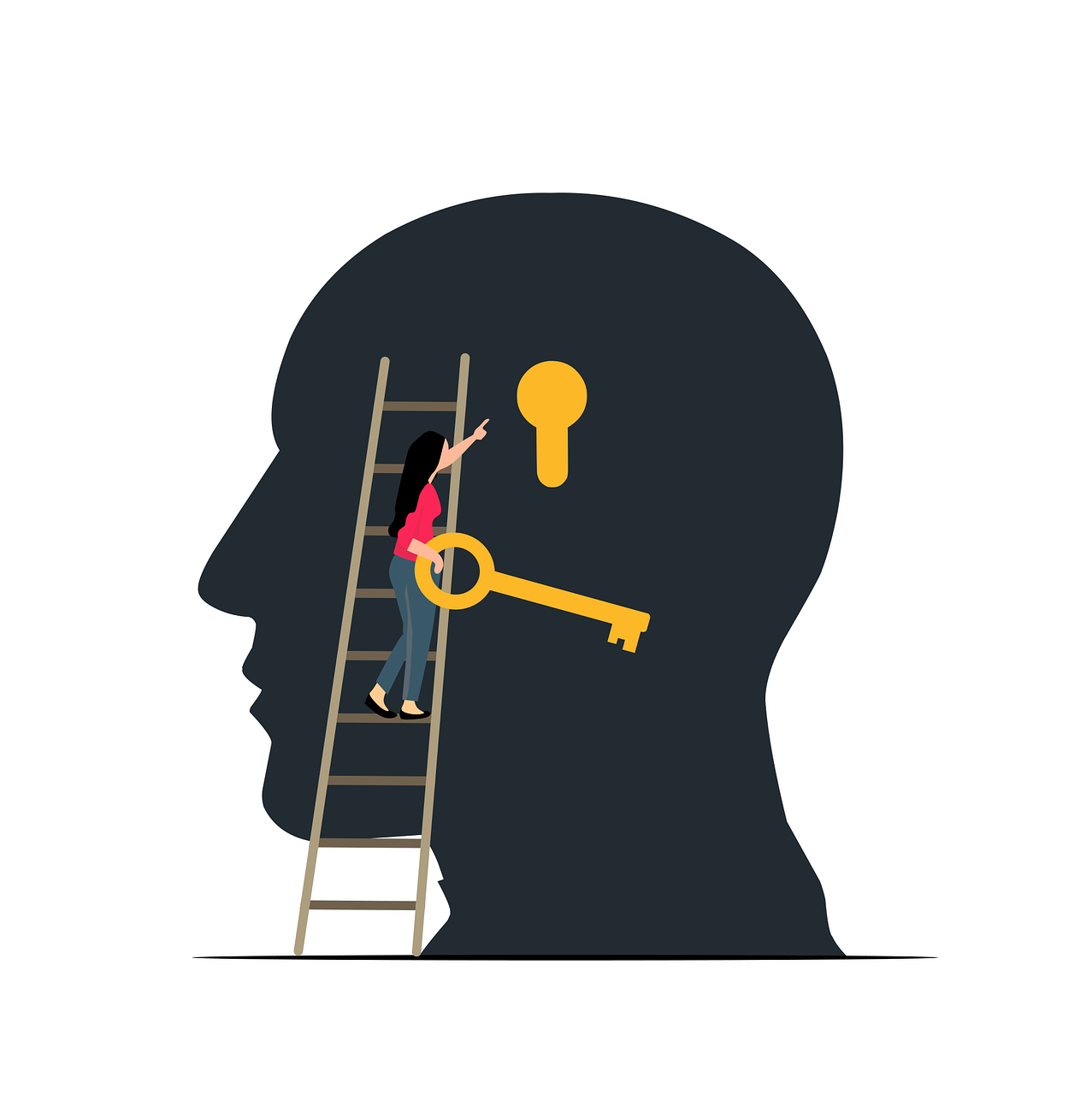
Anytime you go to therapy you are given a diagnosis of a mental health disorder. A diagnosis provides a framework for understanding a person’s symptoms and to guide treatment to reduce the symptoms presented. It helps to better understand how you are impacted day to day.
Diagnoses are a critical part of treatment and are often required in order to pay with insurance or for out of network reimbursement. However, getting a new diagnosis can often be hard to cope with. There are many mental health diagnoses that are stigmatized, such as antisocial personality disorder, borderline personality disorder, dissociative identity disorder, schizophrenia, and substance use disorders. The stigmatization of these mental health disorders and others is often driven by fear and misunderstanding. This can lead to discrimination, self-stigma, and delayed treatment. No one wants to be judged or treated differently because they’re struggling.

While getting a new diagnosis can be scary for some, for others being diagnosed can be incredibly validating. It gives them a name to give to what they have been experiencing – being able to label and describe something can help reduce anxiety. They can find community in other people with the same or similar diagnoses. They’re able to get more focused and accurate treatment to help reduce symptoms, for example getting diagnosed with ADHD gives them the opportunity to start stimulant medication to treat ADHD.
Regardless of the diagnosis or where or not you were expecting the diagnosis, it is important to accept and adjust to this new information. Here are some things you can do to cope with your new diagnosis:
Allow yourself to feel whatever emotions come up
This is your permission to feel your feels. Grief, disappointment, anger, anxiety, overwhelm, and relief are all common emotions to experience after being diagnosed with something new. Suppressing emotions isn’t effective in the long term and can actually increase the intensity of the emotions being suppressed.
Talk to trusted friends and family
This isn’t a burden that you have to carry all by yourself. It is very normal to feel alone in your struggles, but in sharing what you’re struggling with – you will likely find other people in your life are also struggling with the same or similar things. It’s not possible for one person to know everything. You don’t need to know exactly what to do with this new information, but other people in your life might know what to do.
Don’t over-research
Of course you want to know everything that there is to know about your new diagnosis, but not all information online is accurate. As much as you might want to find out everything you can, that can be overwhelming and increase distress. We’ve all found ourselves on a WebMd spiral and it usually doesn’t turn out well. It is very normal to have a ton of questions about your new diagnosis and a mental health professional will have the answers you need or know where to find them.
Seek professional help
This might not be necessary if you received the new diagnosis from your therapist, but if you aren’t in therapy – consider starting therapy. Therapists are going to have the most information on your new diagnosis and can give you trusted sources for you to learn more about this new diagnosis. Your therapist is also going to know what evidence based treatments are best for your diagnosis.
Seek a second opinion
If you don’t believe that the diagnosis you just received accurately reflects your experiences, you can seek out another opinion. A diagnosis is that clinician’s clinical opinion based on the behaviors present and (ideally) supported by empirical evidence from psychological assessments. Misdiagnosis is unfortunately a common experience, especially for women and BIPOC individuals.

Remember you are more than your diagnosis
You are a person with a condition, not just a diagnosis. A diagnosis is just putting a label on behavior and emotions. You are so much more than a diagnosis. For many diagnoses, through treatment and time you can stop meeting criteria for that diagnosis or “go into remission”. There are some diagnoses that will never go into remission, but it is possible to cope effectively with them and see a reduction in symptoms or intensity.
About the Author
Robyn Williams (she/her), M.A., LPCC is a Licensed Professional Clinical Counselor who specializes in dialectical behavior therapy. Robyn works with teens and adults in a compassionate judgment-free manner to meet clients where they are in life. Robyn helps her clients develop the tools they need in order to live their life worth living, and find what means most to them. Robyn believes that while therapy can be intimidating at times, it can be a conduit for personal growth. Click here to learn more about Robyn’s experience and therapeutic approach.