

When emotions get intense, every second counts to help you calm down and regulate your nervous system. The TIP skill can help you calm down anywhere from 30 seconds to 15 minutes, depending on what part of it you’re using. Think of TIP like a fast-acting medication to help turn things down a notch quickly. There are 3 things that fuel our emotions: thoughts, body sensations, and things happening around you/your actions. TIP targets all 3 of those sources of fuel to help change your body chemistry and get you below your skills breakdown point.
T – Tipping the Temperature of Your Face with Cold Water*
What you do is hold your breath for 30 seconds as you dunk your face in a bowl of cold water. The reason this works is because you’re engaging the dive response, which occurs when your body senses cold and wet sensations on your face, and it drops your heart rate to redirect blood flow to essential organs (heart, brain, and lungs). So you’re essentially tricking your body into thinking that you’re drowning to help get out of emotion mind asap. If you don’t want to use a bowl of cold water, you could use an ice pack, splash cold water on your face, or a wet towel. As long as you’re getting your forehead and temple region, you’re good to go. This helps to drop your heart rate, which is a common response to multiple emotions, hence why it helps calm you down.
You can do this part of TIP up to 3 times in an hour. If you’re not as calm as you would like to be after doing it 3 times, try another part of TIP. Even if it doesn’t feel effective, you are dropping your heart rate, and you don’t want to drop it too far too fast.
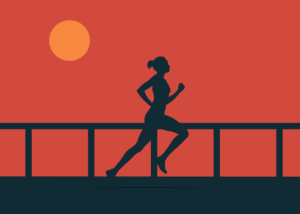
I – Intense Exercise*
When you experience stress or intense emotions, your body produces cortisol. Cortisol is a hormone that tells your body that you’re stressed. One of the best ways to get rid of cortisol is to burn it off with intense exercise. Basically, you’re wearing yourself out so that you’re too tired to have intense emotions. You also get the added bonus of endorphins, which help reduce pain and feel good after you exercise.
The key part of doing intense exercise is that it is intense for YOU. It doesn’t matter what you do as long as you get your heart rate above resting for a period of time. There isn’t even an exact amount of time that you need to exercise for this to work. A helpful rule of thumb is that the more intense the emotions, the longer you do intense exercise. Some things you could do would be to go on a run, lift weights, row, dance, etc. Again, it doesn’t matter what you do as long as it is intense for you!
P – Paced Breathing
We breathe all day, every day, and you’ve probably done breathing exercises before. Every time you inhale, you activate your sympathetic nervous system, and anytime you exhale, you activate your parasympathetic nervous system, which is the rest and digest response. With paced breathing, you’re slowing down the pace of your breath to help regulate your nervous system. We’re shooting for 5 to 7 breaths per minute. An easy way to do this is to inhale for as long as you can and then exhale through your mouth for as long as you can. You can do a specific breathing exercise as long as you’re breathing out of your mouth and exhaling a little bit longer than you inhale. It takes at least 3 minutes of paced breathing to regulate your nervous system. If you start feeling dizzy or lightheaded, please stop and breathe normally for a little bit.
P – Paired Muscle Relaxation
It is very common for your muscles to tense up when your emotions get intense in order to prepare you to take some type of action. So, purposefully tensing and then relaxing your muscles reduces the intensity of your emotions. How you do this is inhale as you tense a muscle group, such as your hands and wrists, for about 5 to 6 seconds. Then, you’re going to exhale out your mouth, relax your muscles, and say the word “relax” in your head all at the same time. This pairs the muscle relaxation with telling yourself to relax, making it a little more effective. It’s very similar to progressive muscle relaxation, but what makes it unique to DBT is saying, “relax” to yourself as you relax your muscles.

Final Thoughts
TIP is incredibly effective in helping you calm down fast; however, it isn’t going to help you solve the problem that caused the intense emotions. TIP helps get you below your skills breakdown point so that you can go on to use other skills, like emotion regulation skills or interpersonal effectiveness skills. Ultimately, the goal of TIP is to help you better control your emotions so that things don’t get worse and hopefully you feel better.
*Caution: Very cold water decreases your heart rate rapidly. Intense exercise will increase heart rate. Consult your health care provider before using these skills if you have a heart or medical condition, a lowered base heart rate due to medications, take a beta-blocker, are allergic to cold, or have an eating disorder.
References
Linehan, M. M. (2015). DBT® skills training manual (2nd ed.). Guilford Press.
About the Author
Robyn Williams (she/her), M.A., LPCC is a Licensed Professional Clinical Counselor who specializes in dialectical behavior therapy. Robyn works with teens and adults in a compassionate judgment-free manner to meet clients where they are in life. Robyn helps her clients develop the tools they need in order to live their life worth living, and find what means most to them. Robyn believes that while therapy can be intimidating at times, it can be a conduit for personal growth. Click here to learn more about Robyn’s experience and therapeutic approach.